Can the publishing industry ever be eco-friendly?
Books are undoubtedly one of life’s greatest joys. However, in light of our current environmental crisis, the question of how readers, authors, and the publishing industry sustain the production of books is necessary. You may have stumbled across attempts to make the practice more sustainable from a consumer point of view, for example, switching to a Kindle or simply sourcing books from eco-friendly companies. But how does the publishing industry directly affect the environment, and can the two ever be compatible?
How are books produced?
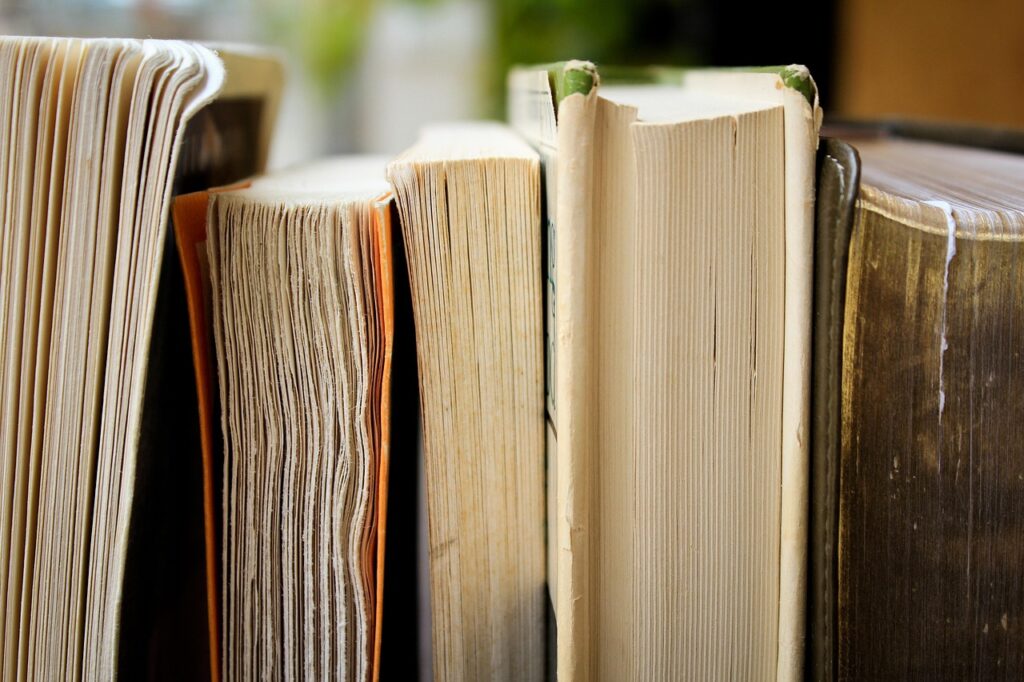
Firstly, let’s examine how books are made. To state the obvious: printing books requires paper. It takes 1 tree to make 25 books, and if we think about the number of books in our shops, libraries, and schools, that’s a lot of trees used! This is not to say that buying books is bad; but with rising sea levels, increasing global temperatures, and extreme environmental changes, we could be more conscious about the way that books are produced and consumed.
How do we change, and what can readers do?
Recently, many bookworms have switched to e-books. Whilst Kindles are generally greener, as well as being compact and portable, it’s important to keep in mind that they still contribute to e-waste and have a carbon footprint. Despite this, they are not a perfectly green alternative. Also, many of us still yearn for that nostalgic charm of holding a hard copy. So what are the alternatives?
Consider a soft cover/paperback copy. Hardback copies typically weigh 2-4 times heavier than a soft cover book, often using thicker cardboard for covers, thicker paper for the interior, and more paper as they are often bigger trim sizes.
You can also reduce your impact on the planet by purchasing second-hand books from charity shops or by making use of local libraries by getting books on loan, or simply swapping books with your bookworm friends. If you still wish to purchase a new book, do your research and source books from sustainable publishers and companies.
What can writers do?
Picking the right printing service is important. As an alternative to typical publishing services, print-on-demand services mean that your book is digitally stored and only produced when and as the customer places an order, which is a much more sustainable option than bulk printing. Also, choosing smaller trim sizes, paperback options, and black and white printing, is generally more sustainable and uses less resources.
Another sustainable practice includes choosing slower shipping methods, which prioritises low-carbon transport. Authors can also consider an e-book or audiobook alternative to print, as they require less resources than printed copies.
If you’re an author looking for a sustainable printing option, it can be a tall order. But contacting local printers who often have sustainable practices can be a step in the right direction. Here at The Book Shelf, we work with local, sustainable, and family owned publishing presses. If you’re interested, please get in touch with us.
What can the publishing industry do?
Going green is often an uphill battle for the publishing industry. But all hope is not lost. Major publishing houses, including Penguin Random House, are finding greener alternatives, for example, the use of vegetable-based inks to lower toxic emissions or using FSC-certified recycled paper.
Supporting initiatives such as tree conservation to maintain biodiversity and support ecosystems can also be an important aspect of environmental publishing. For instance, at The Book Shelf, we donate to protect 10 acres of rainforest for each author we work with through the Rainforest Trust, and have protected almost 1,000 acres to date.
However, there is a debate surrounding some publishers’ initiatives, such as re-planting trees as opposed to conserving them, and some may consider this to be greenwashing. This circles back to our original conundrum of “Can publishing ever truly be eco-friendly?” Progress is being made; however, the battle is far from won. In order for publishing to become kinder to the environment, the publishing industry, authors, and individual readers need to make a conscious and thoughtful effort in producing and consuming books.
When we consider the enormity of the environmental crisis, switching to more sustainable reading habits is a necessary task, as our love of books shouldn’t be destructive to our planet. If you’re interested in sustainability, you can check out our blog on 5 ways that the publishing industry can be more environmentally conscious.